
|
List Labs has been producing high quality bacterial toxins for research since 1978. We have toxins available from over 26 different bacterial species. Toxins include C. difficile A and B, cholera, pertussis, diphtheria, tetanus, and shiga like toxins. We produce various subtypes of botulinum toxin as well as recombinant light chains from all serotypes of botulinum toxin.
more about us +
|
To purchase products or view technical information please search using one of the options below.
Once you have searched, click on the word "view" in the "More Info" column to see the Technical Information link under the product name. |
|
Shiga Toxin: NOW AVAILABLE FROM STOCK
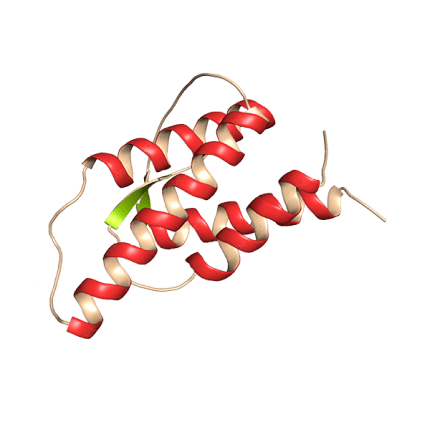
Shiga toxin is a group of related toxins produced by Shigella dysenteriae and enterohemorrhagic Escherichia coli (EHEC). In the past, these toxins have been differentiated as Shiga, Shiga-like or vero toxins but since the toxins produced by the two types of bacteria are very similar, distinctions are no longer made. Shiga toxin is produced by specific strains of Escherichia coli in two isoforms, Shiga 1(Stx1) and Shiga 2(Stx2) which share ~60% sequence homology. These Shiga toxins have the same molecular structures, enzymatic activities, receptor specificity and intracellular trafficking process. Shiga toxins are composed of two subunits, an enzymatically active A subunit which is non-covalently attached to the pentameric B subunit, responsible for binding to the target cells. The sugar domain of the glycosphingolipid, globotriaosylceramide, Gb3, located on cell surfaces, is specifically bound by the B-subunit. The toxin is internalized by endocytosis and is transported via a retrograde pathway in the Golgi apparatus to the endoplasmic reticulum. The enzymatic A subunit is then translocated to the cytosol where its N-glycosidase activity irreversibly modifies ribosomal 28S RNA leading to inhibition of protein synthesis and causing cell death. Since the Gb3 receptor is highly expressed in many types of cancers as compared to normal human tissues, the potential use of Shiga toxin to induce apoptosis in cancer cells is currently an active area of research.
Anthrax Lethal Factor (LF), Native Sequence from Bacillus anthracis, Product# 169
#523 SNAPtide® Peptide Substrate fiP6
#526 Control Peptide for SNAPtide® 521
|
Our products are for research purposes only and are not for use in humans or as diagnostic agents.
Orders submitted after noon PST will ship the next business day.
NEW CUSTOMERS: please submit an application.
2012 Price List
PRODUCT SUGGESTION FORM
New Customer Application Form
|