
|
ASM 2012 at the Moscone Center
in San Francisco California, http://gm.asm.org/
Please visit our booth # 407 June 17 - June 19, 2012.
List Labs produces C. difficile toxin A and toxin B, shiga toxins, cholera toxin, anthrax toxins (PA, LF, and EF), pertussis toxin, diphtheria toxin, CRM197, tetanus toxin, staphylococcal enterotoxin B as well as several types of lipopolysaccharides (LPS) or endotoxin for purchase by the research community. List Labs specializes in the production of fully active native toxins in their natural hosts. We also sell toxin antibodies and several toxoids, including tetanus toxoid and C. difficile toxin A and toxin B toxoid. Check the List Biological Laboratories' catalog for a complete list of products.
more about us +
|
To purchase products or view technical information please search using one of the options below.
Once you have searched, click on the word "view" in the "More Info" column to see the Technical Information link under the product name. |
|
Shiga Toxin: NOW AVAILABLE FROM STOCK
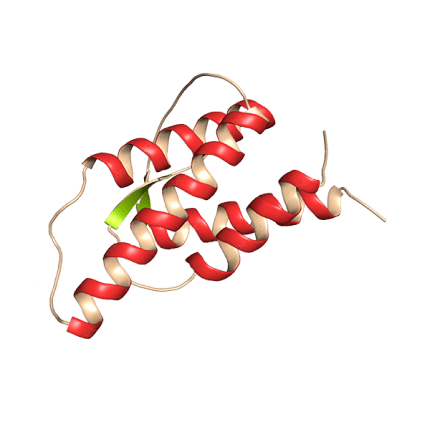
Shiga toxin is a group of related toxins produced by Shigella dysenteriae and enterohemorrhagic Escherichia coli (EHEC). In the past, these toxins have been differentiated as Shiga, Shiga-like or vero toxins but since the toxins produced by the two types of bacteria are very similar, distinctions are no longer made. Shiga toxin is produced by specific strains of Escherichia coli in two isoforms, Shiga 1(Stx1) and Shiga 2(Stx2) which share ~60% sequence homology. These Shiga toxins have the same molecular structures, enzymatic activities, receptor specificity and intracellular trafficking process. Shiga toxins are composed of two subunits, an enzymatically active A subunit which is non-covalently attached to the pentameric B subunit, responsible for binding to the target cells. The sugar domain of the glycosphingolipid, globotriaosylceramide, Gb3, located on cell surfaces, is specifically bound by the B-subunit. The toxin is internalized by endocytosis and is transported via a retrograde pathway in the Golgi apparatus to the endoplasmic reticulum. The enzymatic A subunit is then translocated to the cytosol where its N-glycosidase activity irreversibly modifies ribosomal 28S RNA leading to inhibition of protein synthesis and causing cell death. Since the Gb3 receptor is highly expressed in many types of cancers as compared to normal human tissues, the potential use of Shiga toxin to induce apoptosis in cancer cells is currently an active area of research.
Anthrax Lethal Factor (LF), Native Sequence from Bacillus anthracis, Product# 169
This anthrax lethal factor has a native sequence called “LF-A” with an alanine N-terminal. It has been produced in the native host Bacillus anthracis cured of virulence plasmids, assuring optimal processing, folding and lack of contamination by other toxin components. The LF is pure, highly active and relatively free of endotoxin.
#523 SNAPtide® Peptide Substrate fiP6
SNAPtide® flP6 (DABCYL/5IAF), Product #523, (U.S. patent pending #61/252,675) is a FRET substrate for botulinum neurotoxin type A. It is especially suitable for use in kinetic measurements. In studies with neurotoxin type A light chain, it displays saturable Michaelis Menten kinetics; Km is approximately 3.8 µM.
#526 Control Peptide for SNAPtide® 521
Product #526, CONTROL PEPTIDE for SNAPtide® #521 is identical to the FRET substrate for botulinum neurotoxin type A, SNAPtide® , Product #521, except for two amino acid substitutions. These modifications eliminate cleavage of Product #526 by the type A neurotoxin. Product #526 is an ideal control peptide since it contains all of the sites for non-specific cleavage found in SNAPtide®, Product # 521. It can be used to screen for background cleavage of SNAPtide®, Product #521 that may occur in complex matrices.
|
Our products are for research purposes only and are not for use in humans or as diagnostic agents.
New Customer Application Form
2012 Price List
PRODUCT SUGGESTION FORM
|